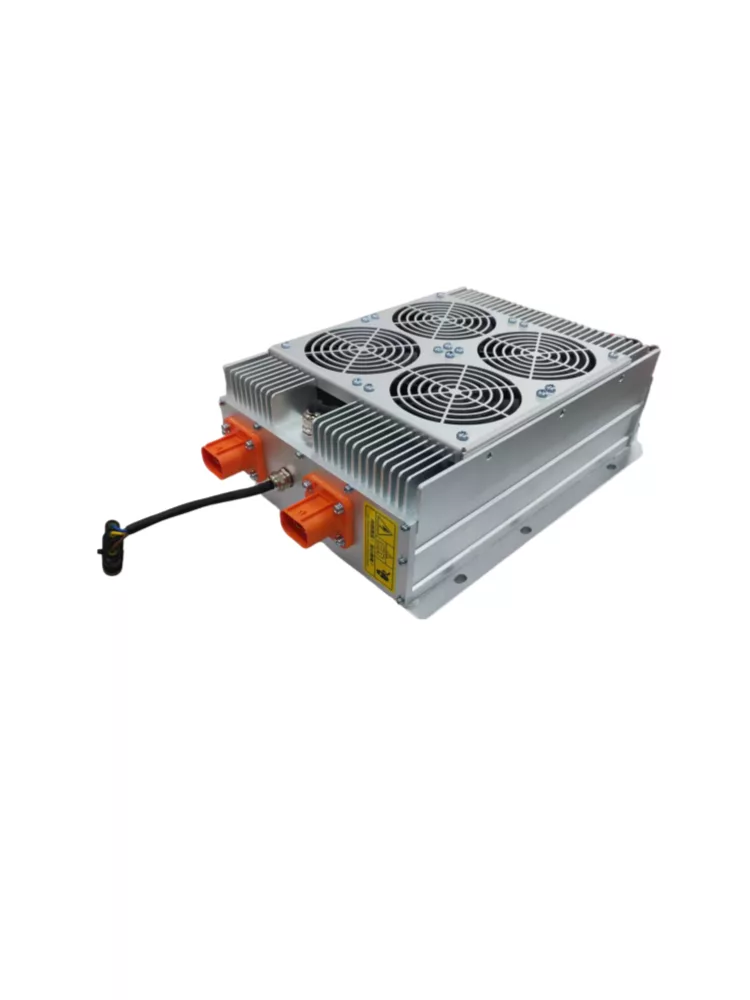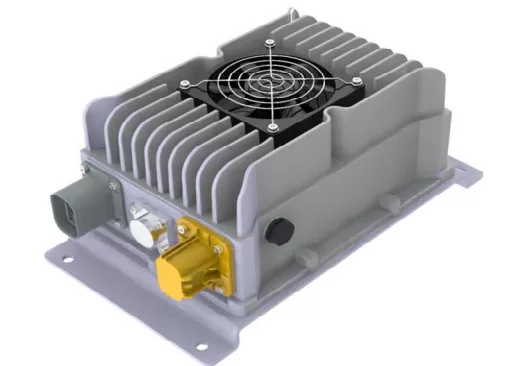
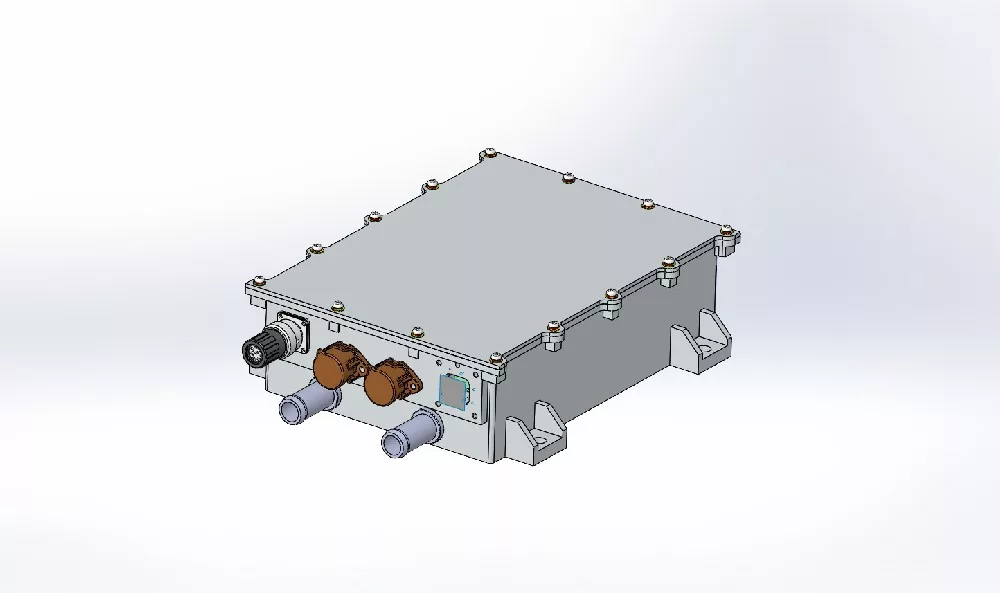
DC-DC Converter / Wide-Temperature DC-DC Converter / Portable DC-DC Converter from Jinan Nenghua Electromechanical Equipment Co., Ltd., designed for DC-DC Converter and its series applications, with engineering customisation to load profile, process requirements and site conditions.
Product Introduction
This series is a voltage-class family of DC power supplies covering 24 V, 48 V, 110 V and 220 V industrial and power-operation levels, 750 V, 1000 V and 1500 V storage and charging platform levels, and high-voltage DC duties from 3000 V up to 35 kV. Each class carries its own device ratings, insulation distances and topology, with efficiency, ripple, protection and communication tailored to the application.
The unit comprises an input rectifier or PFC stage, an isolated or non-isolated DC/DC stage, output filtering, sensing and digital control, protection and communication, and cooling. Low-voltage high-current models use synchronous rectification and multiphase paralleling to cut conduction loss; high-voltage models use three-level or multilevel structures to reduce device stress; stringent insulation duties use dry-type or oil-immersed construction with partial-discharge control.
In DC-DC Converter selection and deployment, EMC, grounding practice and cable routing often matter more than single-unit specifications, so filtering and shielding follow industrial site standards.
Remote diagnostics and parameter backup allow fault records to be read over the communication interface, shortening on-site troubleshooting.
Working Principle
Voltage class sets device and insulation selection. A 220 V DC bus can use 650 V devices, a 750 V bus typically uses 1200 V devices, and a 1500 V bus uses 1700 V or 3300 V devices with three-level topologies that halve the per-device stress. Each step up in voltage raises creepage distance, clearance and tracking-index requirements, and changes enclosure size and thermal design.
Typical topologies use a two-stage structure of PFC followed by an LLC resonant or phase-shifted full-bridge converter. The front stage shapes the input current into a sinusoid and provides a regulated bus, while the rear stage provides isolation and regulation through a high-frequency transformer. LLC operating near resonance achieves zero-voltage turn-on on the primary and zero-current turn-off on the secondary rectifiers, reaching efficiency above 96%. For medium and high power with wide voltage range, the dual active bridge (DAB) provides bidirectional energy flow and wide regulation through phase-shift control.
The 1500 V DC platform is now mainstream for storage and PV. Compared with 1000 V systems the current is one third lower at the same power, cutting line loss and copper usage. However DC arcs are harder to extinguish, so dedicated DC breakers, fuses and arc-fault detection are mandatory, together with reverse-polarity protection and a visible isolation point for maintenance. SiC devices raise switching frequency to 40–100 kHz, pushing converter efficiency above 98% and shrinking magnetic components.
Ripple, accuracy and dynamic response are the three basic performance metrics. Ripple is set by switching frequency and output filtering, typically ≤1% for industrial models and ≤0.1% for test and research models. Voltage accuracy is typically ±0.5%, reaching ±0.05% in high-precision models. Dynamic response is measured as the recovery time to ±1% after a load step, with fast models below 1 ms.
Protection and monitoring must address overvoltage, overcurrent, short circuit, reverse polarity, insulation degradation and DC arcing. An insulation monitoring device (IMD) injects a low-frequency signal or measures the asymmetry of positive and negative rail voltages to earth. DC breakers must extinguish arcs and break in both directions. Charging and storage systems also need pre-charge circuits to limit inrush and protect bus capacitors.
EMC performance depends on the combination of filtering, shielding and grounding. Input common-mode and differential-mode filter networks suppress conducted interference, snubber capacitors and RC networks reduce device dv/dt, and the enclosure uses continuous welding or conductive gaskets to maintain shielding integrity. Grounding follows single-point practice with separate power and signal grounds, shielded layers grounded at one end to avoid ground loops, and twisted shielded signal cables routed separately from power cables.
Wide-bandgap devices significantly shift the power-density boundary. SiC MOSFETs have about ten times the breakdown field of silicon, so the drift layer is thinner and on-resistance lower at the same rating. With switching frequencies above 40 kHz, magnetic components shrink by more than half and efficiency improves by one to two percentage points. The trade-off is higher dv/dt and di/dt, which place stricter demands on gate drivers, busbars and filtering.
Key Features
- Complete voltage range: 24/48/110/220/336/400/750/1000/1500/3000 V and up to 35 kV, matched to the application.
- High-efficiency topologies: LLC resonant, phase-shifted full bridge and DAB, with full-load efficiency ≥96% and up to 98% with SiC.
- High accuracy: voltage regulation ±0.5% (±0.05% optional), ripple ≤1% (≤0.1% optional).
- Bidirectional and regenerative: DAB and four-quadrant topologies support bidirectional energy flow with regeneration efficiency ≥95%.
- The efficiency curve stays flat from 50% to 100% load, with an automatic energy-saving mode at light load.
- Industrial or automotive-grade components are used, with capacitors, fans and contactors selected for long life.
Main features:
Technical Parameters
| Model | DC-DC Converter / Wide-Temperature DC-DC Converter / Portable DC-DC Converter |
|---|---|
| Category | DC-DC Converter series |
| Output voltage range | 24 V–35 kV (voltage-class family) |
| Output power | 0.5 kW–2 MW (parallel expandable) |
| Voltage accuracy | ±0.5% (±0.05% optional) |
| Ripple factor | ≤1% (≤0.1% optional) |
| Full-load efficiency | ≥96% (≥98% with SiC) |
| Related ratings | Customized to application (DC-DC Converter series) |
| Cooling | Water-cooled / air-cooled by power class |
| Protection | Overvoltage, overcurrent, short circuit, overtemperature, phase loss, interlock |
| Communication | RS485 Modbus / Ethernet / analogue (optional) |
Parameters above are for reference; final specs subject to the technical agreement / order contract. Non-standard customization is available.
Applications
- Power operation supplies: 110/220 V DC panels, substation operation supplies and relay protection supplies.
- Rail transit and marine: 750/1500 V traction supply, vehicle auxiliary supplies and shore-side DC distribution.
- Industry and test: plating, electrolysis, electrostatic precipitation, device burn-in and laboratory DC sources.
- Storage and PV: battery cluster supply, auxiliary supplies for storage PCS, MPPT feeding and combiner-box supplies.
- Charging and battery swap: DC charging modules, charging stacks, liquid-cooled ultra-fast charging and V2G bidirectional conversion.
- Data centres and telecom: 240/336/400/480 V HVDC feeding, DC column cabinets and server power supplies.
Typical applications of DC-DC Converter / Wide-Temperature DC-DC Converter / Portable DC-DC Converter include:
Selection Guide
Determine the construction by insulation and safety requirements: high-voltage duties need creepage and clearance verification, sometimes oil-immersed or gas-insulated construction with partial-discharge testing.
Determine filtering and control by accuracy requirements: test applications need low ripple and high-resolution sensing, while industrial applications can relax these to reduce cost.
Confirm communication protocols and paralleling requirements: Modbus, CAN, Ethernet and dry-contact alarms, together with current-sharing method and master-slave settings.
Paralleling and redundancy are common means of improving availability. Modules share current by master-slave or droop control with errors within 3%. In an N+1 arrangement a failed module is automatically replaced by the remaining units and can be withdrawn for replacement online. Paralleled systems need a common voltage reference and slew rate to avoid circulating current, and DC-side sharing reactors or separate output cables further suppress imbalance.
Where budget allows, choose one power class higher: the difference in temperature rise and life under continuous full load far outweighs the purchase price.
Operation & Maintenance
Cooling and maintenance: water-cooled models require stable water quality and flow, with periodic cleaning of the plate heat exchanger and strainers, and draining before freezing weather. Air-cooled models need regular cleaning of inlet filters and heatsinks to prevent derating from blocked airflow. After long shutdown, perform an insulation check and low-voltage trial run before returning to service.
Wide-bandgap devices significantly shift the power-density boundary. SiC MOSFETs have about ten times the breakdown field of silicon, so the drift layer is thinner and on-resistance lower at the same rating. With switching frequencies above 40 kHz, magnetic components shrink by more than half and efficiency improves by one to two percentage points. The trade-off is higher dv/dt and di/dt, which place stricter demands on gate drivers, busbars and filtering.
Design and testing follow the GB/T 3859 semiconductor converter standard, GB 17625 harmonic limits, GB/T 2423 environmental test series and IEC 61000 immunity requirements; export models additionally meet the relevant CE or UL clauses. Factory tests typically cover insulation resistance and withstand voltage, full-load temperature rise, efficiency and power factor, ripple and regulation accuracy, and protection trip values, with per-unit records kept for traceability.
Input power quality is an often overlooked hidden cost. Phase-controlled rectifiers lose power factor and increase harmonics at large firing angles, requiring reactive compensation and filtering. High-frequency rectifiers correct power factor but also see efficiency and power factor fall at light load. On-load tap changing, staged switching or multi-pulse schemes keep power factor above 0.9, reducing utility penalties and disturbance to other equipment on the same network.
FAQ
- What are the practical benefits of 1500 V DC over 1000 V?
- At the same power the bus current is about one third lower, line loss falls with the square of current, and cable and busbar usage is reduced, lowering cost and footprint. The trade-off is higher device voltage rating, DC arc extinction and insulation monitoring requirements, with dedicated DC breakers and arc-fault detection.
- How should LLC and phase-shifted full bridge be chosen?
- LLC is most efficient near resonance with low EMI and suits applications with limited output voltage variation. Phase-shifted full bridge maintains good performance over a wide range with simple control. If bidirectional energy flow is required, a DAB should be selected.
- Why can't AC earth-leakage protection replace insulation monitoring in DC systems?
- AC leakage protection cannot identify simultaneous insulation degradation of both DC rails to earth, and DC arcs have no natural zero crossing, so they do not self-extinguish. Dedicated insulation monitoring devices continuously measure insulation resistance to earth, combined with DC breakers and arc-fault detection.
- What are the installation requirements for DC-DC Converter / Wide-Temperature DC-DC Converter / Portable DC-DC Converter?
- Install in a well-ventilated area free of conductive dust and corrosive gas, with ambient temperature from -10 to 40 °C (up to 50 °C for water-cooled models) and at least 800 mm maintenance clearance front and rear. Water-cooled models require circulating water at the specified pressure and flow with inlet temperature not above 32 °C. Ground resistance should be below 4 ohm and power and signal cables should be routed in separate trays.
- What is the lead time and customisation scope for DC-DC Converter / Wide-Temperature DC-DC Converter / Portable DC-DC Converter?
- Standard ratings are delivered within the agreed period after contract effectiveness. Output voltage, current, communication protocol, cabinet dimensions and protection class can all be customised; custom models require load characteristics, operating environment and interface requirements for the electrical and mechanical design.
Related Products
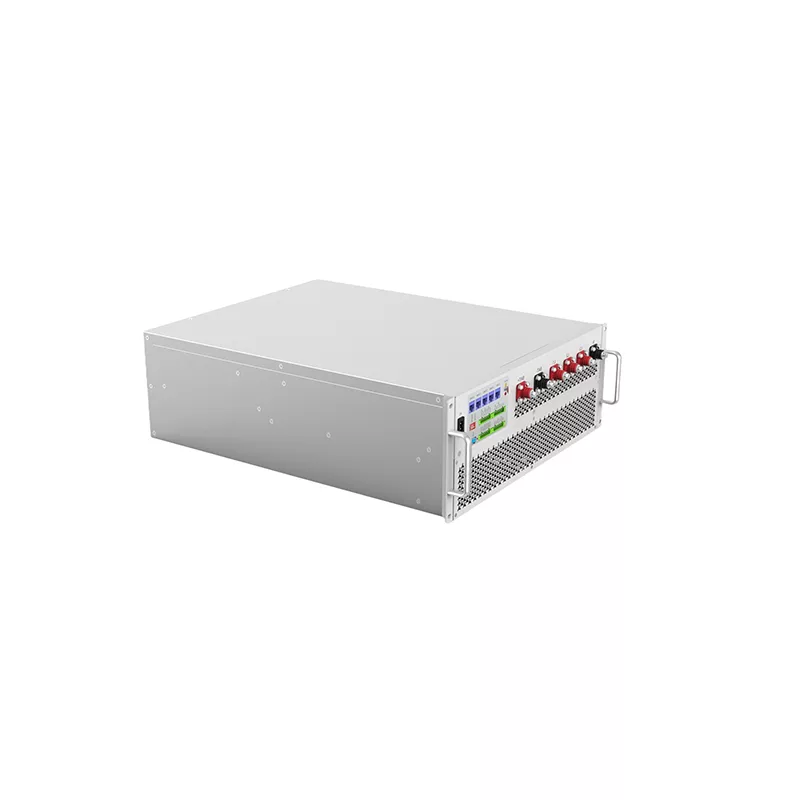
DC-DC Converter / Outdoor DC-DC Converter / Portable DC-DC Converter
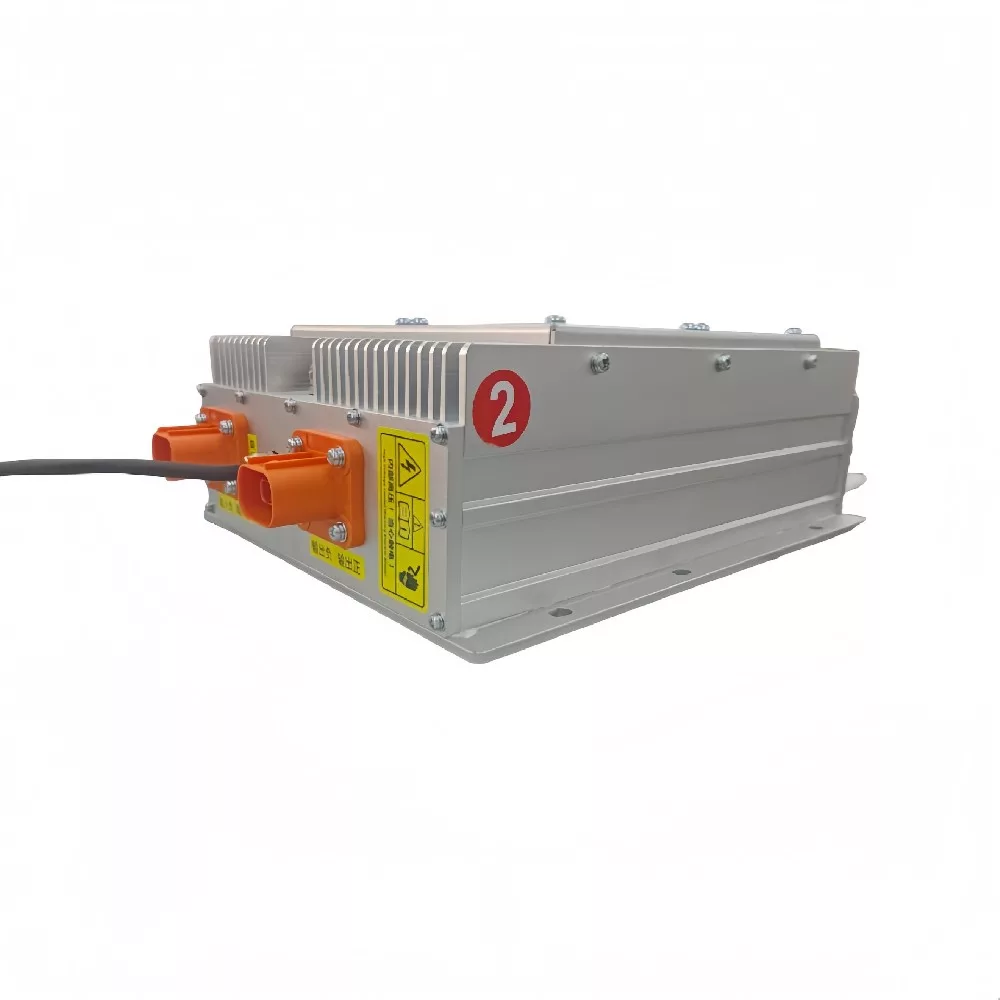
DC-DC Converter / Laboratory DC-DC Converter / Customized DC-DC Converter
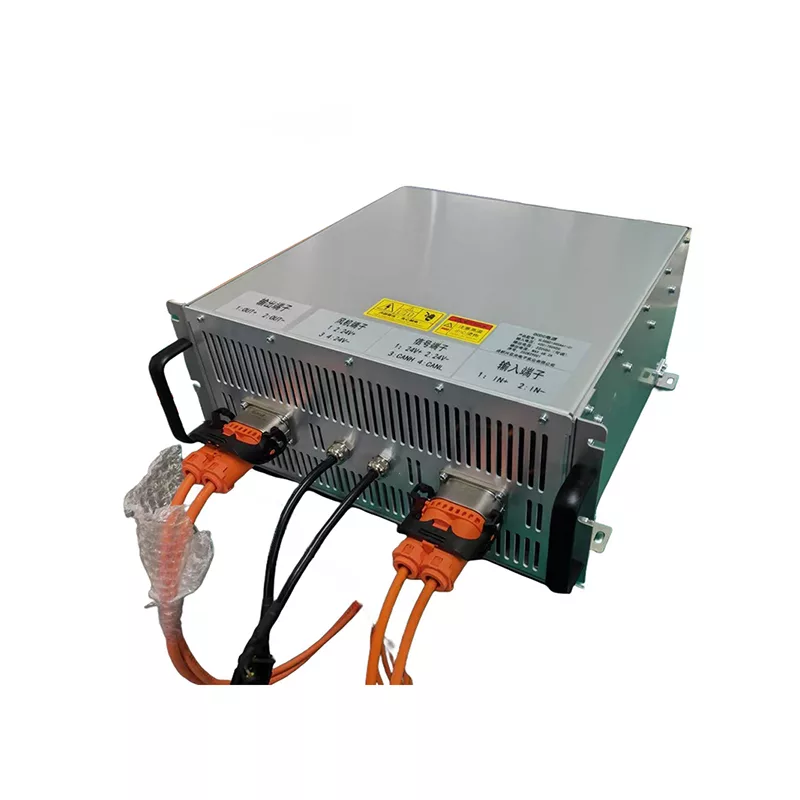
DC-DC Converter / Portable DC-DC Converter / Wall-Mounted DC-DC Converter
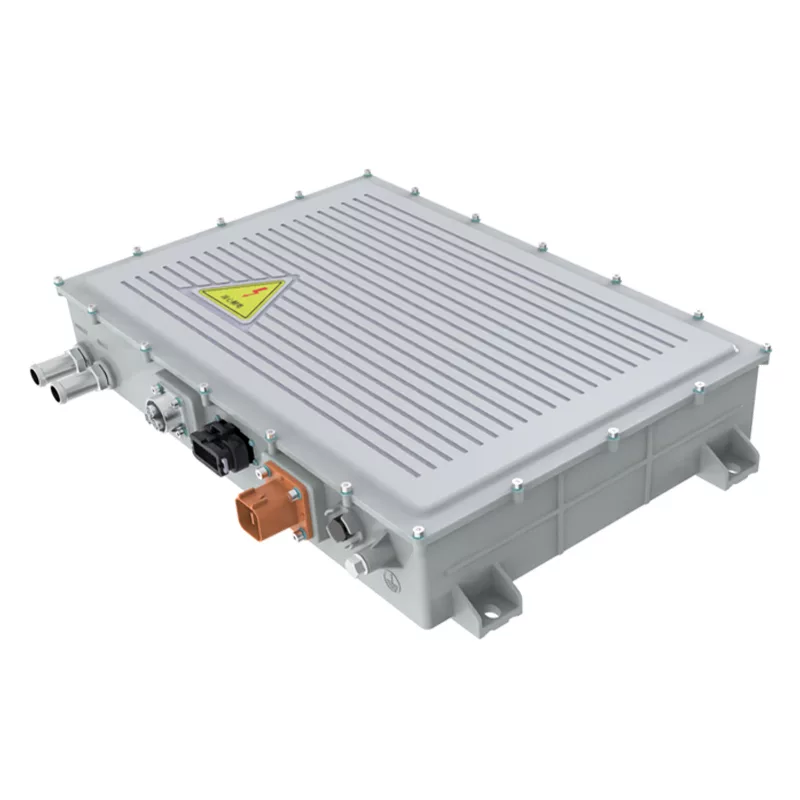
DC-DC Converter / Line-Frequency DC-DC Converter / Industrial-Grade DC-DC Converter
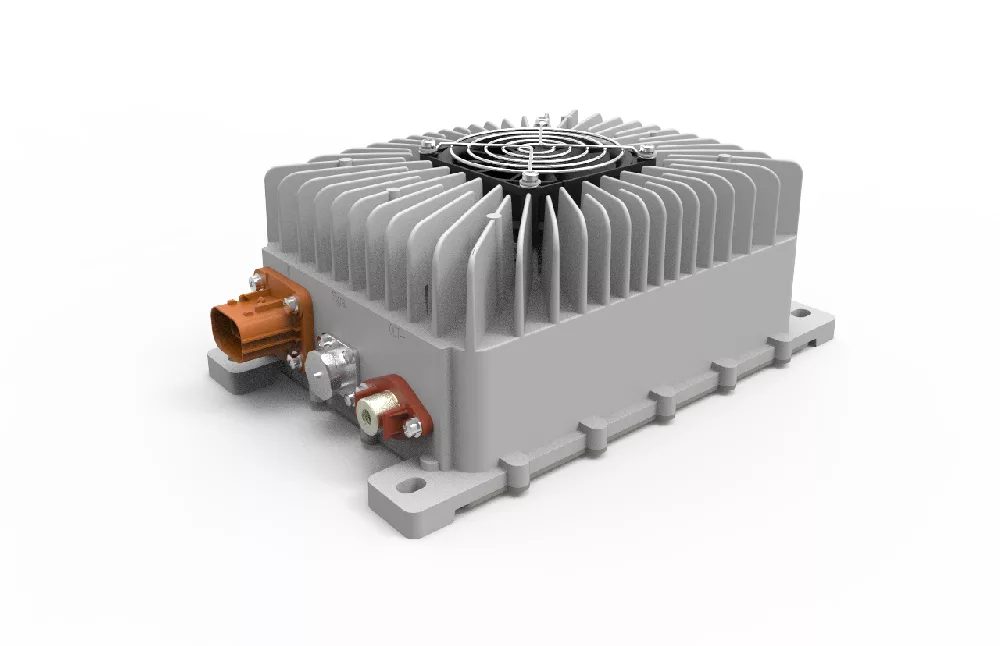
DC-DC Converter / Single-Phase DC-DC Converter / Industrial-Grade DC-DC Converter
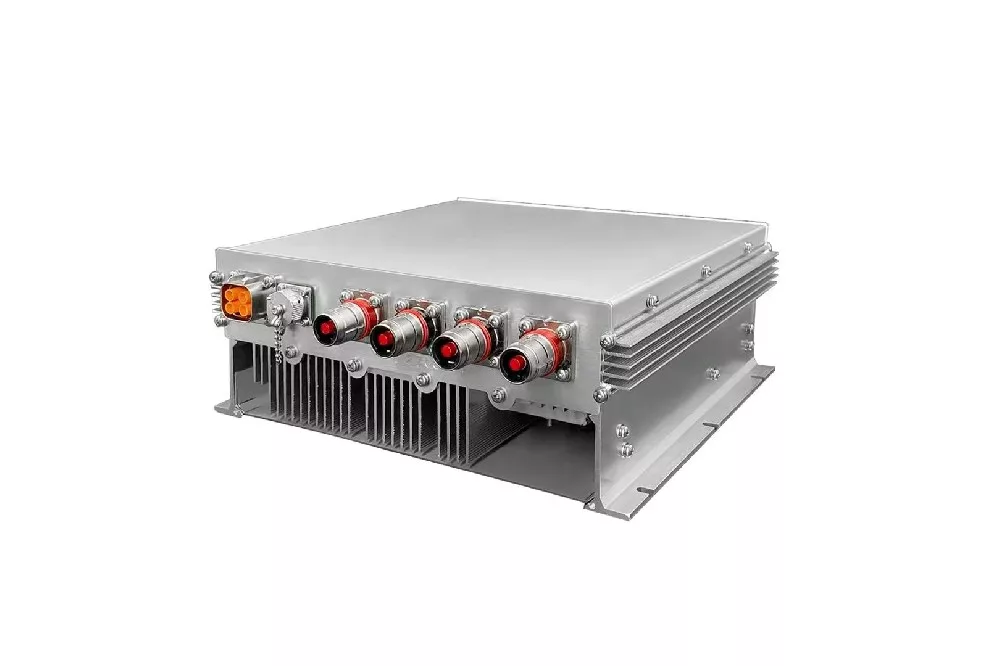
DC-DC Converter / High-Efficiency DC-DC Converter / Hot-Swap DC-DC Converter
DC-DC Converter / Three-Phase DC-DC Converter / Digital DC-DC Converter