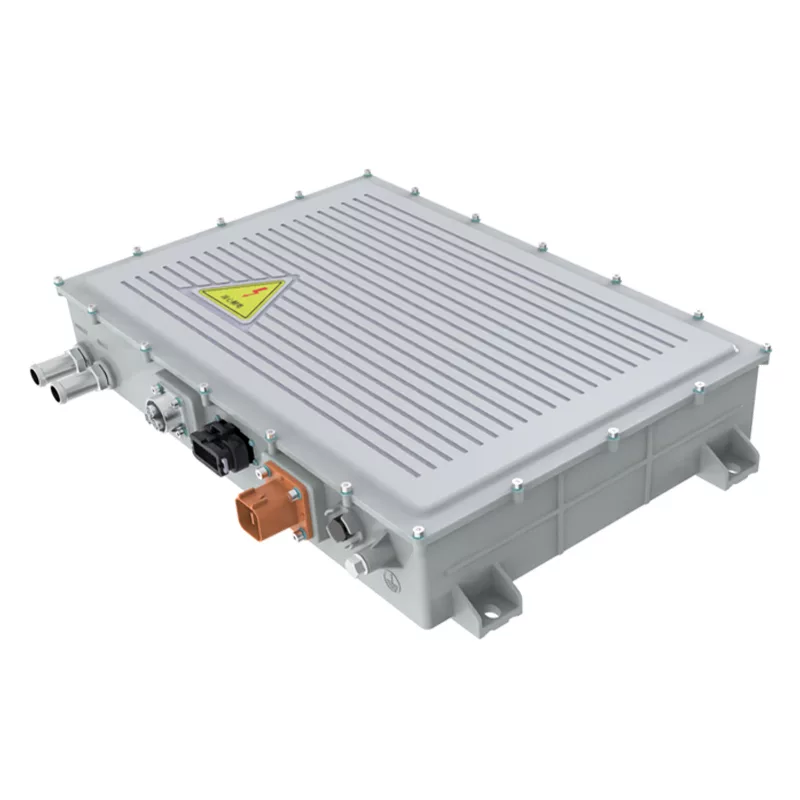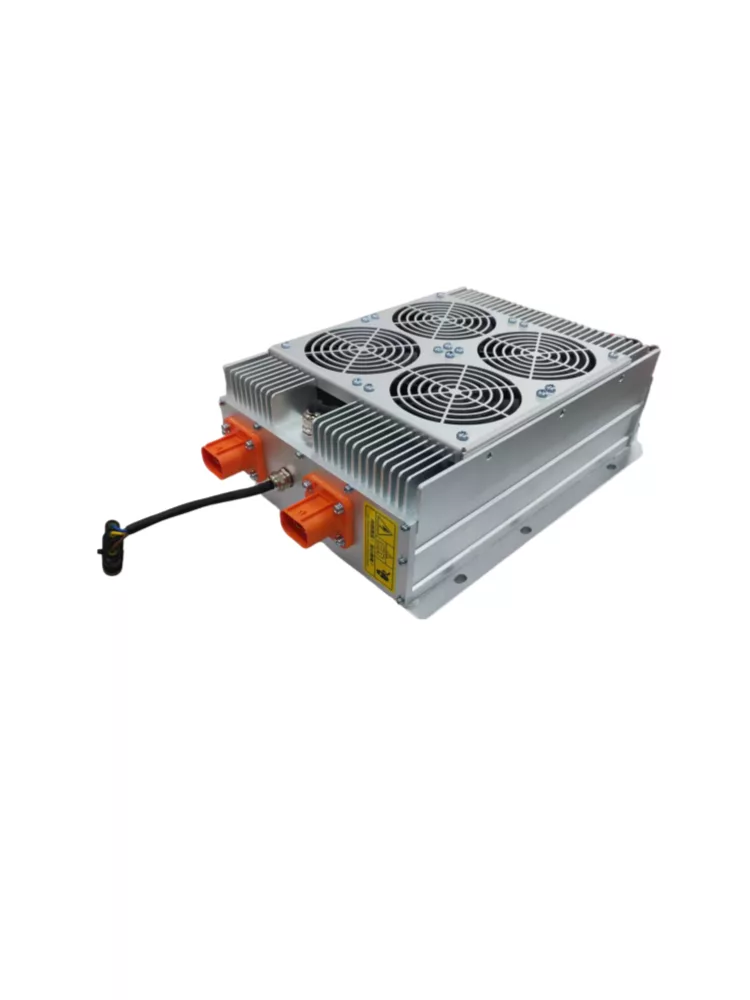
DC-DC Converter / Air-Cooled DC-DC Converter / Anti-Corrosion DC-DC Converter from Jinan Nenghua Electromechanical Equipment Co., Ltd., designed for DC-DC Converter and its series applications, with engineering customisation to load profile, process requirements and site conditions.
Product Introduction
This series is a voltage-class family of DC power supplies covering 24 V, 48 V, 110 V and 220 V industrial and power-operation levels, 750 V, 1000 V and 1500 V storage and charging platform levels, and high-voltage DC duties from 3000 V up to 35 kV. Each class carries its own device ratings, insulation distances and topology, with efficiency, ripple, protection and communication tailored to the application.
The unit comprises an input rectifier or PFC stage, an isolated or non-isolated DC/DC stage, output filtering, sensing and digital control, protection and communication, and cooling. Low-voltage high-current models use synchronous rectification and multiphase paralleling to cut conduction loss; high-voltage models use three-level or multilevel structures to reduce device stress; stringent insulation duties use dry-type or oil-immersed construction with partial-discharge control.
In practical DC-DC Converter installations the unit must hold its output stable against load impedance variation, ambient temperature swings and continuous duty, so device derating, thermal margin and protection thresholds all carry reserve.
Modular construction allows power units, control boards and fans to be replaced independently, with common spares reducing lifetime maintenance cost.
Working Principle
Voltage class sets device and insulation selection. A 220 V DC bus can use 650 V devices, a 750 V bus typically uses 1200 V devices, and a 1500 V bus uses 1700 V or 3300 V devices with three-level topologies that halve the per-device stress. Each step up in voltage raises creepage distance, clearance and tracking-index requirements, and changes enclosure size and thermal design.
Typical topologies use a two-stage structure of PFC followed by an LLC resonant or phase-shifted full-bridge converter. The front stage shapes the input current into a sinusoid and provides a regulated bus, while the rear stage provides isolation and regulation through a high-frequency transformer. LLC operating near resonance achieves zero-voltage turn-on on the primary and zero-current turn-off on the secondary rectifiers, reaching efficiency above 96%. For medium and high power with wide voltage range, the dual active bridge (DAB) provides bidirectional energy flow and wide regulation through phase-shift control.
The 1500 V DC platform is now mainstream for storage and PV. Compared with 1000 V systems the current is one third lower at the same power, cutting line loss and copper usage. However DC arcs are harder to extinguish, so dedicated DC breakers, fuses and arc-fault detection are mandatory, together with reverse-polarity protection and a visible isolation point for maintenance. SiC devices raise switching frequency to 40–100 kHz, pushing converter efficiency above 98% and shrinking magnetic components.
Ripple, accuracy and dynamic response are the three basic performance metrics. Ripple is set by switching frequency and output filtering, typically ≤1% for industrial models and ≤0.1% for test and research models. Voltage accuracy is typically ±0.5%, reaching ±0.05% in high-precision models. Dynamic response is measured as the recovery time to ±1% after a load step, with fast models below 1 ms.
Protection and monitoring must address overvoltage, overcurrent, short circuit, reverse polarity, insulation degradation and DC arcing. An insulation monitoring device (IMD) injects a low-frequency signal or measures the asymmetry of positive and negative rail voltages to earth. DC breakers must extinguish arcs and break in both directions. Charging and storage systems also need pre-charge circuits to limit inrush and protect bus capacitors.
Design and testing follow the GB/T 3859 semiconductor converter standard, GB 17625 harmonic limits, GB/T 2423 environmental test series and IEC 61000 immunity requirements; export models additionally meet the relevant CE or UL clauses. Factory tests typically cover insulation resistance and withstand voltage, full-load temperature rise, efficiency and power factor, ripple and regulation accuracy, and protection trip values, with per-unit records kept for traceability.
High altitude and extreme environments impose additional requirements. Above 1000 m the dielectric strength and cooling capability of air both fall, so derating of 5%–10% per additional 1000 m and larger clearances are applied. Low-temperature sites need low-temperature electrolytic capacitors and anti-condensation heaters, while humid sites need conformal coating and condensation control. Outdoor models also require sun, rain, dust and theft protection with cabinet temperature held by air conditioning or heat exchangers.
Key Features
- High accuracy: voltage regulation ±0.5% (±0.05% optional), ripple ≤1% (≤0.1% optional).
- Bidirectional and regenerative: DAB and four-quadrant topologies support bidirectional energy flow with regeneration efficiency ≥95%.
- DC safety design: insulation monitoring, arc-fault detection, reverse-polarity protection, pre-charge limiting and a visible isolation point.
- Communication and paralleling: RS485/Modbus, CAN and Ethernet options, with current sharing and N+1 redundancy.
- Cabinet temperature, humidity and dust status are monitored, giving early warning instead of an abrupt trip.
- Multiple process recipes can be stored and recalled, avoiding repeated adjustment during product changeover.
Main features:
Technical Parameters
| Model | DC-DC Converter / Air-Cooled DC-DC Converter / Anti-Corrosion DC-DC Converter |
|---|---|
| Category | DC-DC Converter series |
| Output voltage range | 24 V–35 kV (voltage-class family) |
| Output power | 0.5 kW–2 MW (parallel expandable) |
| Voltage accuracy | ±0.5% (±0.05% optional) |
| Ripple factor | ≤1% (≤0.1% optional) |
| Full-load efficiency | ≥96% (≥98% with SiC) |
| Related ratings | Customized to application (DC-DC Converter series) |
| Cooling | Water-cooled / air-cooled by power class |
| Protection | Overvoltage, overcurrent, short circuit, overtemperature, phase loss, interlock |
| Communication | RS485 Modbus / Ethernet / analogue (optional) |
Parameters above are for reference; final specs subject to the technical agreement / order contract. Non-standard customization is available.
Applications
- Industry and test: plating, electrolysis, electrostatic precipitation, device burn-in and laboratory DC sources.
- Storage and PV: battery cluster supply, auxiliary supplies for storage PCS, MPPT feeding and combiner-box supplies.
- Charging and battery swap: DC charging modules, charging stacks, liquid-cooled ultra-fast charging and V2G bidirectional conversion.
- Data centres and telecom: 240/336/400/480 V HVDC feeding, DC column cabinets and server power supplies.
- Power operation supplies: 110/220 V DC panels, substation operation supplies and relay protection supplies.
- Rail transit and marine: 750/1500 V traction supply, vehicle auxiliary supplies and shore-side DC distribution.
Typical applications of DC-DC Converter / Air-Cooled DC-DC Converter / Anti-Corrosion DC-DC Converter include:
Selection Guide
Determine voltage class and power from the system bus voltage and maximum current, then check overload and surge capability against the load type (resistive, capacitive, motor or battery).
Determine filtering and control by accuracy requirements: test applications need low ripple and high-resolution sensing, while industrial applications can relax these to reduce cost.
Confirm communication protocols and paralleling requirements: Modbus, CAN, Ethernet and dry-contact alarms, together with current-sharing method and master-slave settings.
Fault diagnosis and predictive maintenance rely on comprehensive monitoring points. The unit continuously acquires bus voltage, output current, device temperature, coolant flow and fan speed, triggering alarms or derating according to severity and storing fault codes, timestamps and key waveforms in non-volatile memory. Host software exports historical curves and estimates remaining life from accumulated operating hours and thermal cycles, turning corrective maintenance into planned maintenance.
If the local grid fluctuates or large equipment starts frequently, verify the input undervoltage and overvoltage protection range and the auto-recovery strategy.
Operation & Maintenance
Cooling and maintenance: water-cooled models require stable water quality and flow, with periodic cleaning of the plate heat exchanger and strainers, and draining before freezing weather. Air-cooled models need regular cleaning of inlet filters and heatsinks to prevent derating from blocked airflow. After long shutdown, perform an insulation check and low-voltage trial run before returning to service.
Thermal design determines whether the unit can run at full load continuously. Air-cooled models use zoned airflow with front-to-rear heatsink layout, fin spacing matched to air velocity to reduce pressure drop. Water-cooled models use a cold plate with independent channels, thermal grease or phase-change material to lower contact resistance, and outlet temperature and flow sensors. Overall thermal resistance is calculated for the worst case of maximum ambient, full load and half-blocked filters.
Design and testing follow the GB/T 3859 semiconductor converter standard, GB 17625 harmonic limits, GB/T 2423 environmental test series and IEC 61000 immunity requirements; export models additionally meet the relevant CE or UL clauses. Factory tests typically cover insulation resistance and withstand voltage, full-load temperature rise, efficiency and power factor, ripple and regulation accuracy, and protection trip values, with per-unit records kept for traceability.
Paralleling and redundancy are common means of improving availability. Modules share current by master-slave or droop control with errors within 3%. In an N+1 arrangement a failed module is automatically replaced by the remaining units and can be withdrawn for replacement online. Paralleled systems need a common voltage reference and slew rate to avoid circulating current, and DC-side sharing reactors or separate output cables further suppress imbalance.
FAQ
- What are the practical benefits of 1500 V DC over 1000 V?
- At the same power the bus current is about one third lower, line loss falls with the square of current, and cable and busbar usage is reduced, lowering cost and footprint. The trade-off is higher device voltage rating, DC arc extinction and insulation monitoring requirements, with dedicated DC breakers and arc-fault detection.
- How should LLC and phase-shifted full bridge be chosen?
- LLC is most efficient near resonance with low EMI and suits applications with limited output voltage variation. Phase-shifted full bridge maintains good performance over a wide range with simple control. If bidirectional energy flow is required, a DAB should be selected.
- Why can't AC earth-leakage protection replace insulation monitoring in DC systems?
- AC leakage protection cannot identify simultaneous insulation degradation of both DC rails to earth, and DC arcs have no natural zero crossing, so they do not self-extinguish. Dedicated insulation monitoring devices continuously measure insulation resistance to earth, combined with DC breakers and arc-fault detection.
- What are the installation requirements for DC-DC Converter / Air-Cooled DC-DC Converter / Anti-Corrosion DC-DC Converter?
- Install in a well-ventilated area free of conductive dust and corrosive gas, with ambient temperature from -10 to 40 °C (up to 50 °C for water-cooled models) and at least 800 mm maintenance clearance front and rear. Water-cooled models require circulating water at the specified pressure and flow with inlet temperature not above 32 °C. Ground resistance should be below 4 ohm and power and signal cables should be routed in separate trays.
- What is the lead time and customisation scope for DC-DC Converter / Air-Cooled DC-DC Converter / Anti-Corrosion DC-DC Converter?
- Standard ratings are delivered within the agreed period after contract effectiveness. Output voltage, current, communication protocol, cabinet dimensions and protection class can all be customised; custom models require load characteristics, operating environment and interface requirements for the electrical and mechanical design.
Related Products
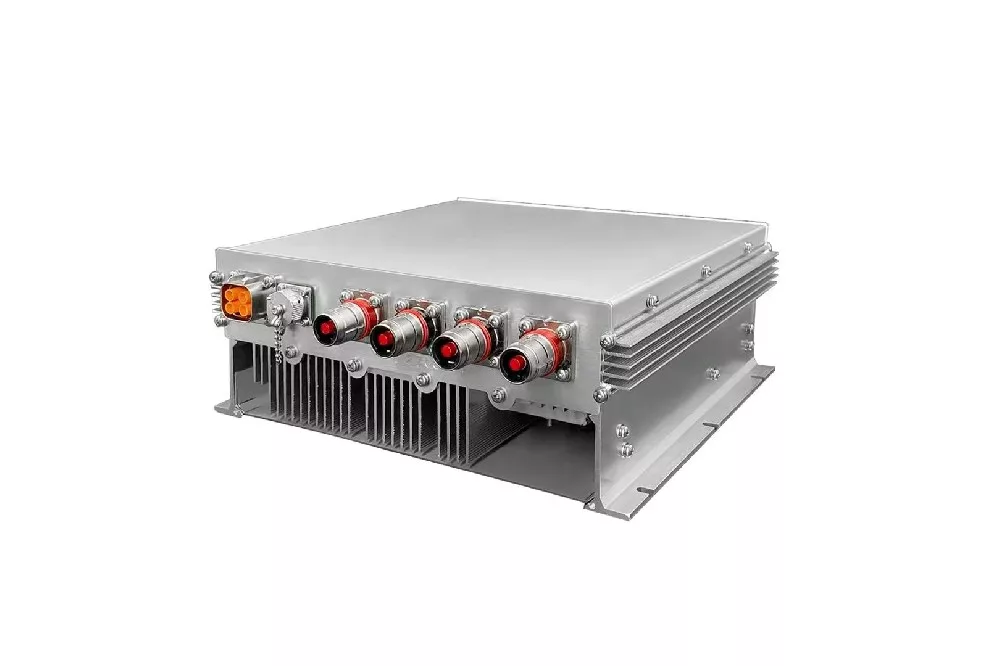
DC-DC Converter / High-Voltage DC-DC Converter / Wall-Mounted DC-DC Converter
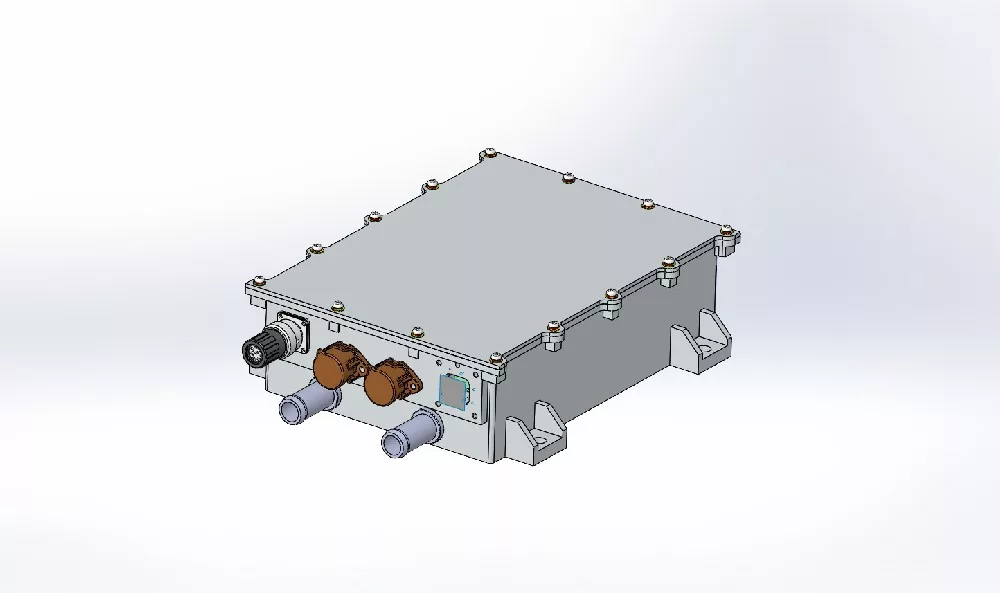
DC-DC Converter / Three-Phase DC-DC Converter / Digital DC-DC Converter
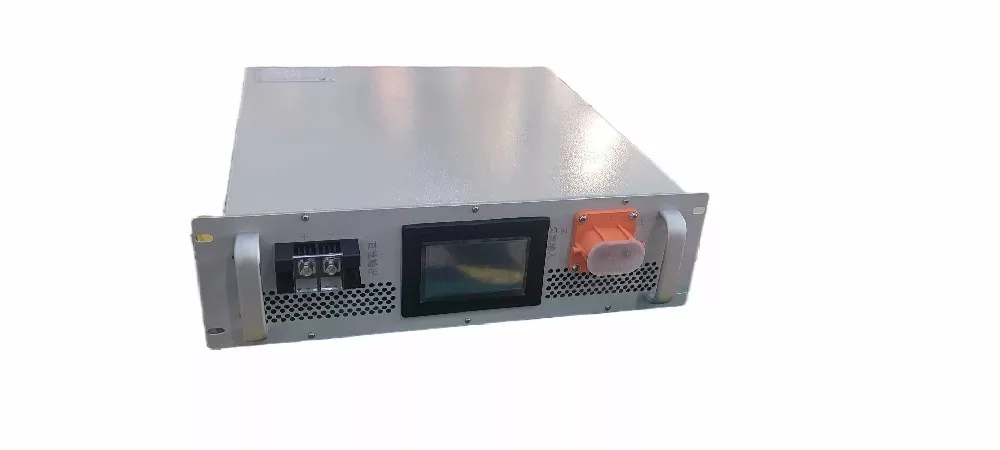
DC-DC Converter / High-Efficiency DC-DC Converter / Integrated DC-DC Converter
DC-DC Converter / High-Efficiency DC-DC Converter / Hot-Swap DC-DC Converter
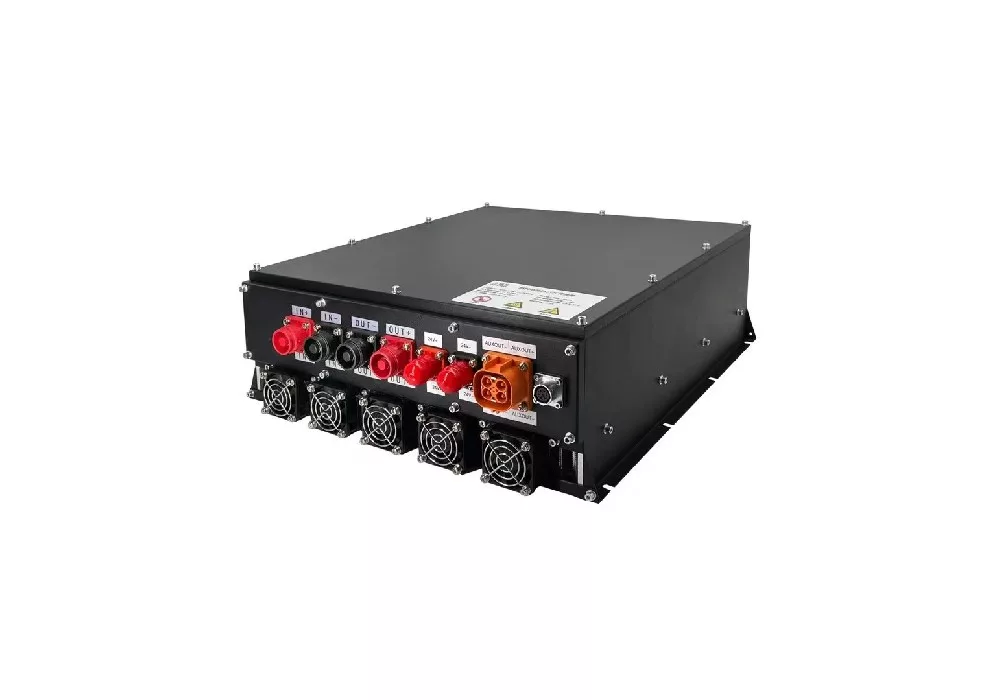
DC-DC Converter / Industrial-Grade DC-DC Converter / Isolated DC-DC Converter
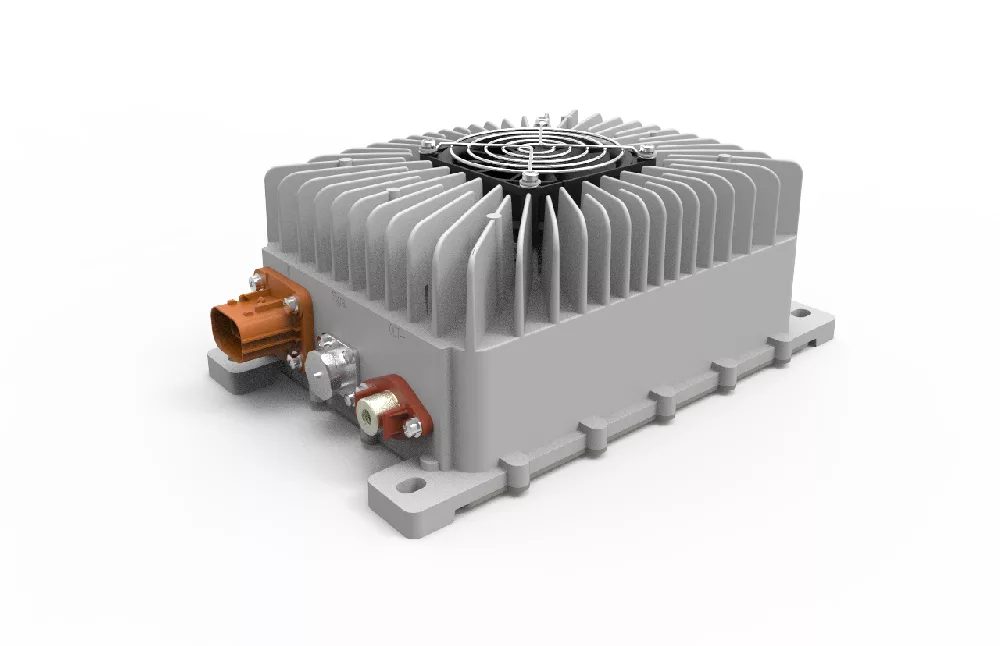
DC-DC Converter / Single-Phase DC-DC Converter / Industrial-Grade DC-DC Converter
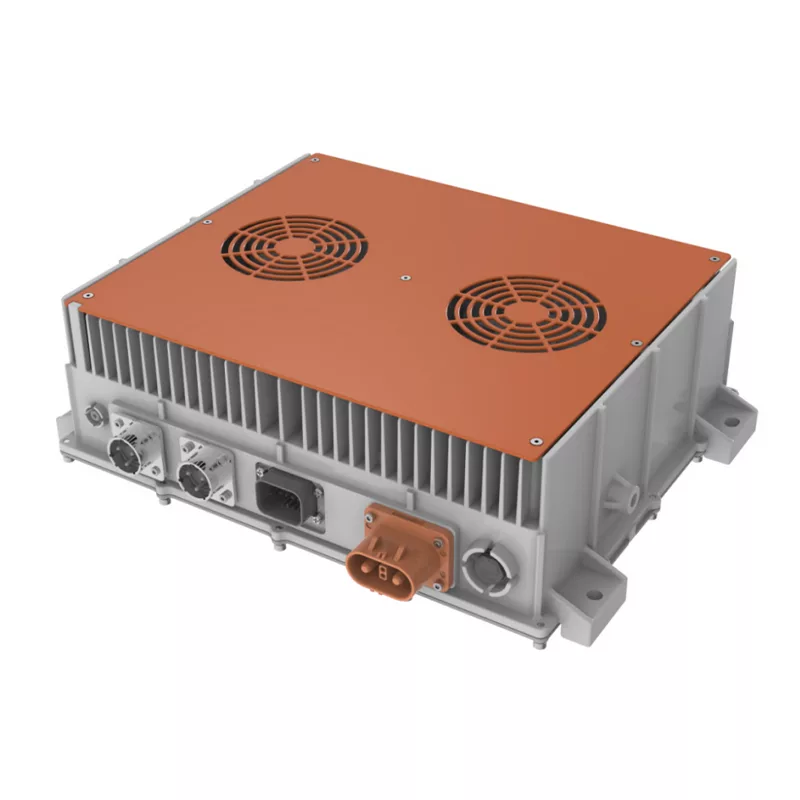
DC-DC Converter / Intelligent DC-DC Converter / Compact DC-DC Converter